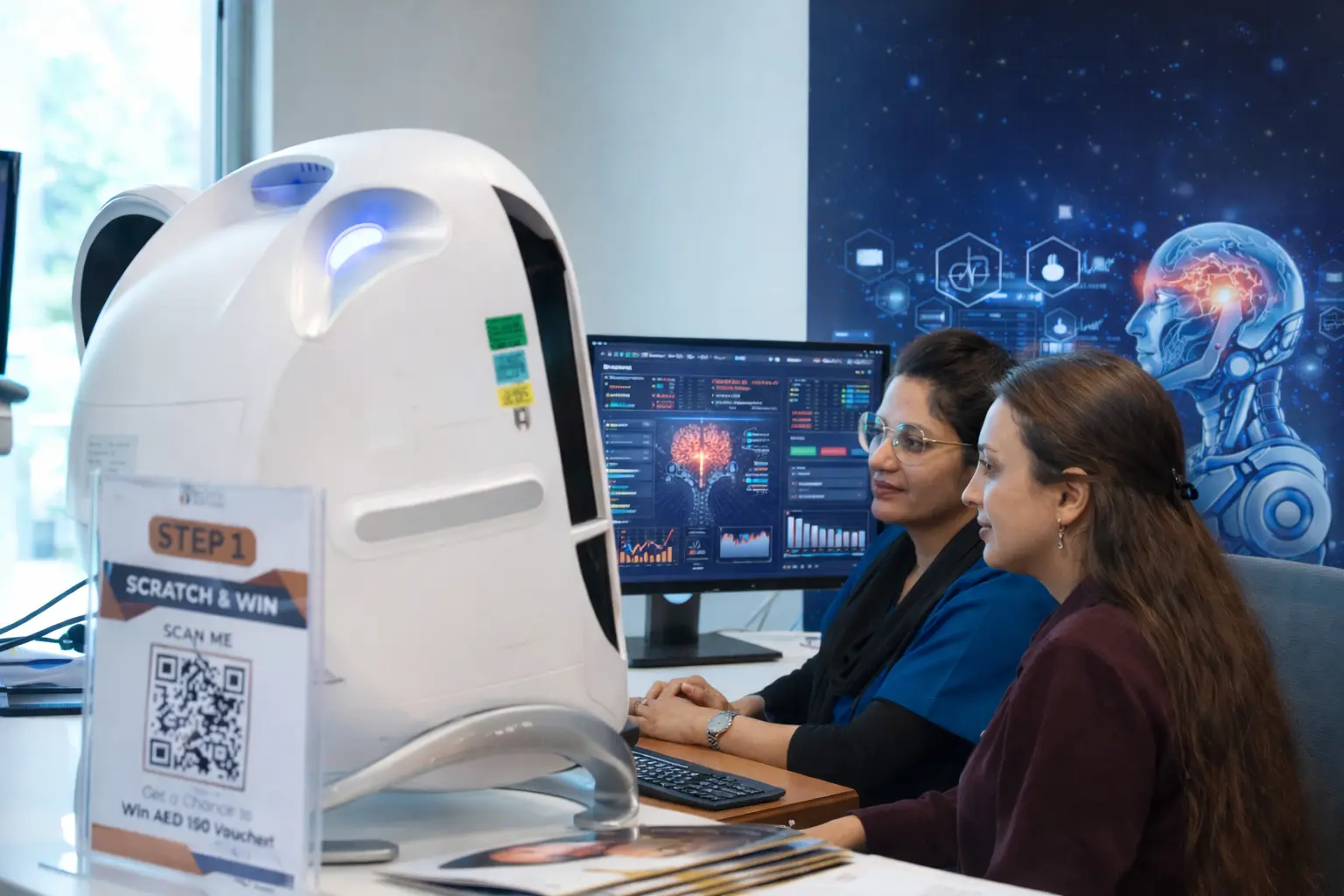
AI Fear: Challenges, Realities, and Strategic Solutions

This executive short training program helps leaders understand AI fear, address resistance, build trust, and leverage AI as a strategic advantage in organizations.

Program Overview

Artificial Intelligence is transforming industries, yet it is also generating significant fear, resistance, and uncertainty among individuals and organizations. This program equips participants with the knowledge, tools, and leadership mindset required to understand, manage, and overcome AI-related fears, while leveraging AI as a strategic advantage.

Target Audience

Program Objectives

By the end of this program, participants will be able to:

Key Themes

Delivery Methods

Assessment and Certification

1. Assessment Components:
2. Certification:

Unique Value for AUE

Program Structure

Day 1: Understanding AI Fear – Psychological and Social Dimensions

Key Topics:

1. Introduction to AI: Reality vs Hype
2. What is AI Fear? (AI Anxiety, Technophobia, Job Insecurity)
3. Behavioral Psychology of Fear and Resistance
4. Cultural and Organizational Perceptions of AI
5. Case Studies: Public reactions to AI (global and regional)

Practical Activities:

1. Group discussion: “What scares you about AI?”
2. Self-assessment: AI Fear Index

Outcome

Participants will recognize the root causes of AI fear and differentiate between emotional and rational concerns.

Key Topics:

1. Real Risks of AI (Bias, Privacy, Security, Misinformation)
2. Ethical Frameworks for AI (Global standards and UAE perspective)
3. Transparency, Explainability, and Accountability
4. Building Trust in AI Systems
5. Responsible AI in Government and Business

Practical Activities:

1. Ethical dilemma simulations
2. Case analysis: AI failures and lessons learned

Outcome

Participants will gain clarity on actual risks and how to manage them responsibly.

Key Topics:

1. AI and Job Displacement Myths
2. Future Skills and Workforce Transformation
3. Human-AI Collaboration Models
4. Upskilling, Reskilling, and Lifelong Learning
5. AI in Education, Healthcare, Business, and Government

Practical Activities:

1. Role-mapping exercise: “Your job in 2030”
2. AI opportunity identification workshop

Outcome:

Participants will shift from fear mindset to opportunity mindset.

Key Topics:

1. Why Organizations Resist AI
2. Change Management Models for AI Adoption
3. Leadership Strategies to Overcome Resistance
4. Communication Frameworks for AI Transformation·
5. Building an AI-ready Culture
6. Activities:
7. Simulation: Managing resistance in a company
8. Group exercise: AI transformation roadmap

Outcome:

Participants will learn how to lead AI adoption and manage resistance effectively.

Key Topics:

1. Designing an AI Adoption Strategy
2. Risk Mitigation Frameworks
3. Governance and Policy Development
4. AI Readiness Assessment
5. Future Outlook: AI, Society, and Leadership

Practical Activities:

1. Capstone Project: Develop an AI Fear Mitigation Plan
2. Group presentations

Outcomes:

Participants will leave with a practical, ready-to-implement AI strategy.

Explore Other Programs

A.  Optional Add-ons (Highly Recommended)

To strengthen impact and revenue generation:

1. AI Readiness Diagnostic Tool (AUE-branded)

2. Post-training consulting (AI adoption roadmap)

3. AI Leadership Certification Pathway (stackable programs)

B.  Suggested Program Titles (Alternative Options)

1. “Leading Through AI Fear: From Resistance to Transformation”

2. “AI Anxiety to AI Advantage: Executive Leadership Program”

3. “Human-Centered AI Leadership and Trust Building”

C.  Strategic Recommendation (Very Important)

To make this program unique in the UAE and GCC, I strongly recommend integrating:

1. AI + Emotional Intelligence (EI) → “Managing Human Fear in Technological Change”

2. AI Governance Simulation Lab → decision-making under uncertainty

3. Sector-Specific Tracks (Healthcare, Education, Security, Government)